Revolutionizing Prosthetics in Uzbekistan with Internet of Things Technology
Category : | Sub Category : Posted on 2024-11-05 22:25:23
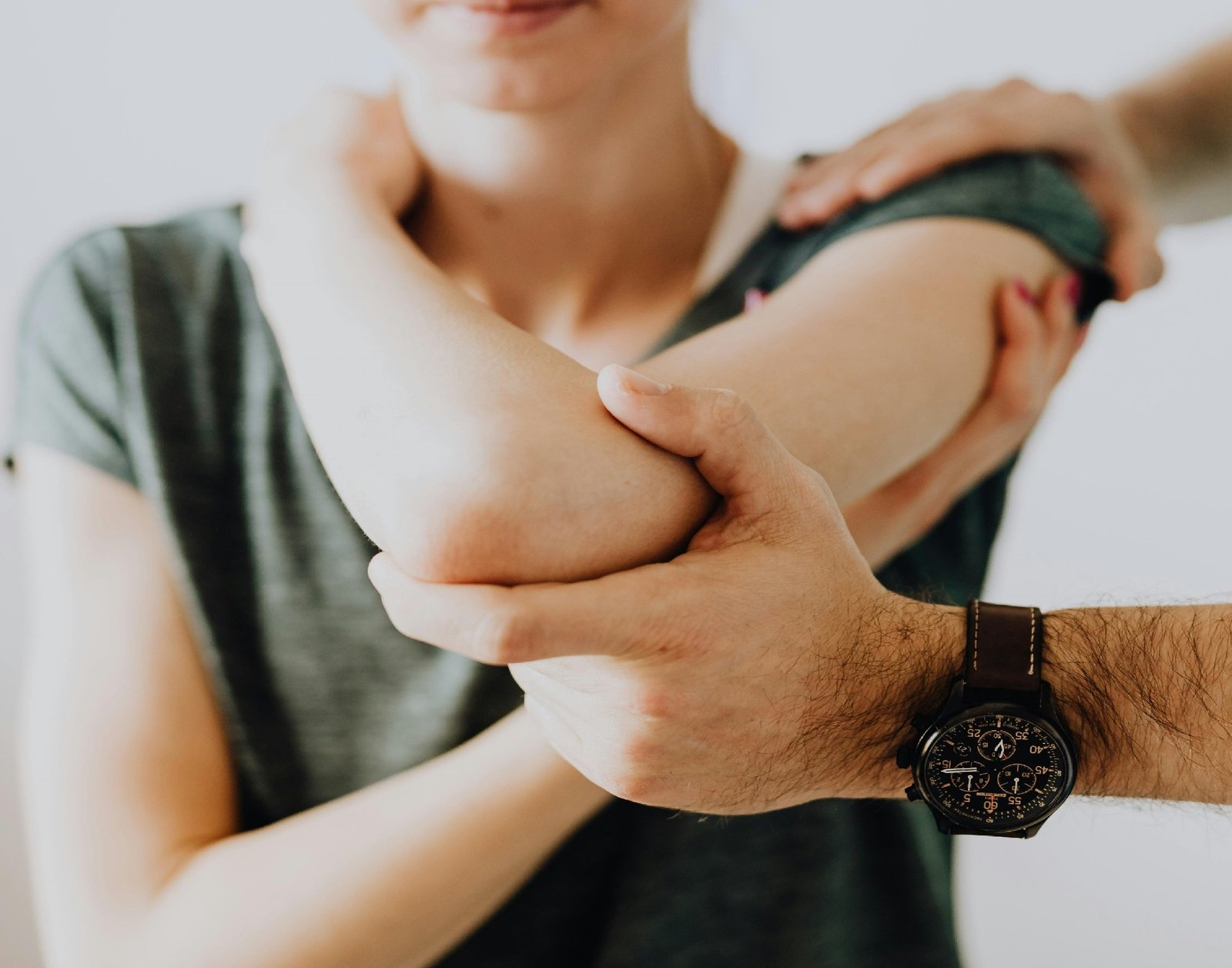
In recent years, advancements in technology have been instrumental in transforming various industries across the globe. One such area that has witnessed significant progress is the field of arm prosthetics. Uzbekistan, a country known for its rich culture and heritage, is also making strides in leveraging Internet of Things (IoT) technology to revolutionize the design and functionality of prosthetic arms. Traditionally, prosthetic arms were bulky, uncomfortable, and had limited functionality. However, with the integration of IoT technology, engineers and medical professionals in Uzbekistan are now able to create prosthetics that are not only more aesthetically pleasing but also more functional and user-friendly. By incorporating sensors and actuators that communicate with each other and with external devices, these new-age prosthetic arms can be customized to better meet the individual needs of users. One of the key benefits of using IoT technology in prosthetics is the ability to provide real-time feedback and data to both users and healthcare providers. Sensors embedded in the prosthetic arm can monitor various metrics such as grip strength, range of motion, and even skin temperature. This data can be transmitted wirelessly to a smartphone app, allowing users to track their progress, adjust settings, and receive alerts for maintenance or potential issues. Furthermore, IoT-enabled prosthetic arms can also be integrated with smart home devices and other IoT gadgets, allowing users to control them using simple gestures or voice commands. This level of connectivity not only enhances convenience but also promotes independence and improves the overall quality of life for individuals with limb differences. Moreover, the use of IoT technology in prosthetics opens up new possibilities for research and development. Engineers and researchers in Uzbekistan can gather valuable insights from the data collected by these smart prosthetic arms to further enhance their design, functionality, and durability. Additionally, with the growing trend of telehealth and remote monitoring, IoT-enabled prosthetics can enable healthcare providers to remotely monitor users' progress and provide timely interventions when needed. In conclusion, the intersection of arm prosthetics and IoT technology is reshaping the landscape of assistive technologies in Uzbekistan. By embracing innovation and leveraging the power of connectivity, engineers and medical professionals in the country are paving the way for more advanced, user-centric prosthetic solutions. As these technologies continue to evolve, we can expect to see even more groundbreaking developments that will redefine what is possible for individuals living with limb differences.
Leave a Comment:
SEARCH
Recent News
- Zurich, Switzerland has long been known for its exceptional quality of life, beautiful surroundings, and high standard of healthcare. In contrast, the Russian healthcare system has faced various challenges and struggles over the years. Let's delve into the differences between the healthcare systems in Zurich, Switzerland, and Russia.
- Navigating Medical Device Regulations in Zurich, Switzerland
- In the bustling city of Zurich, Switzerland, finding healthy fast food options can be a challenge. However, with a little exploration and curiosity, you can discover some fantastic spots that offer nutritious and delicious meals on the go.
- YouTube Content Creation: Exploring the Russian Healthcare System
- In today's digital age, YouTube has become a powerful platform for content creators to share their knowledge and expertise with a global audience. One particular niche that has been gaining traction on YouTube is the creation and translation of content related to medical devices regulation.
- Are you looking for tips on creating YouTube content about healthy fast food options and the importance of translation in reaching a wider audience? Let's dive into how you can combine these two aspects to create engaging and informative videos for your channel.
- Exploring the Russian Healthcare System: Insights from a YouTube Channel
- Navigating the Regulatory Landscape for Medical Devices on YouTube
READ MORE
11 months ago Category :

Zurich, Switzerland has long been known for its exceptional quality of life, beautiful surroundings, and high standard of healthcare. In contrast, the Russian healthcare system has faced various challenges and struggles over the years. Let's delve into the differences between the healthcare systems in Zurich, Switzerland, and Russia.
Read More →11 months ago Category :

Navigating Medical Device Regulations in Zurich, Switzerland
Read More →11 months ago Category :

In the bustling city of Zurich, Switzerland, finding healthy fast food options can be a challenge. However, with a little exploration and curiosity, you can discover some fantastic spots that offer nutritious and delicious meals on the go.
Read More →11 months ago Category :
