Advancements in Arm Prosthetics: How Uzbekistan Cows are Making a Difference
Category : | Sub Category : Posted on 2024-11-05 22:25:23
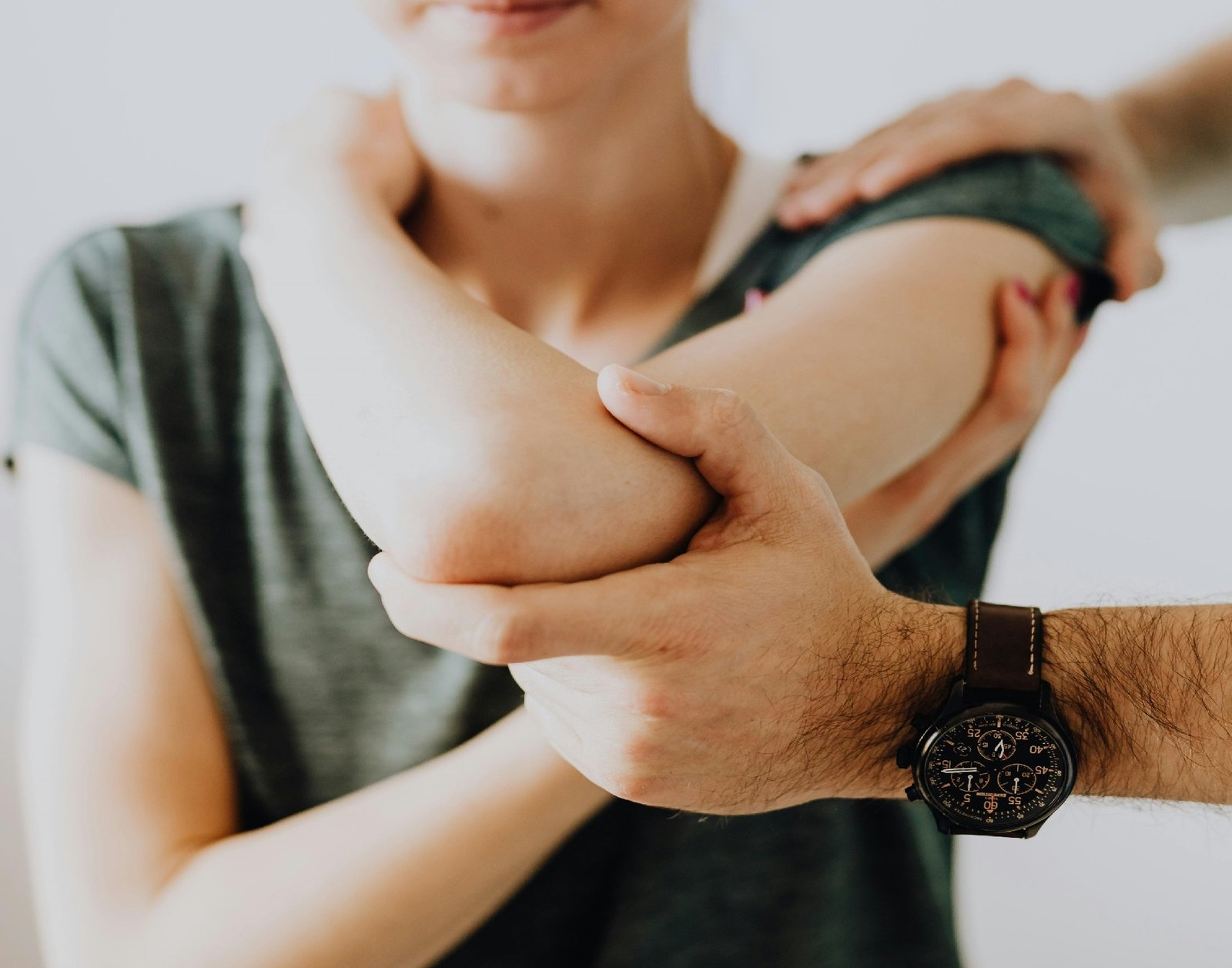
In recent years, significant advancements have been made in the field of arm prosthetics, revolutionizing the way individuals with limb differences can lead more fulfilling lives. One unexpected source of inspiration for these advancements comes from Uzbekistan cows. Uzbekistan is known for its rich agricultural heritage, particularly in the dairy industry. Cows in Uzbekistan are prized for their milk production and robust genetics. However, beyond their contributions to the dairy sector, these cows are now playing a major role in the development of advanced arm prosthetics. Researchers and engineers have discovered that the unique bone structure of Uzbekistan cows can provide valuable insights for improving the design and functionality of artificial limbs. By studying the biomechanics of cow limbs and adapting these principles to prosthetic technology, scientists have been able to create prosthetic arms that offer enhanced dexterity, comfort, and mobility for users. One key aspect that sets Uzbekistan cow-inspired arm prosthetics apart is their durability and natural feel. By mimicking the strength and flexibility of cow bones, these prosthetic arms can better withstand daily wear and tear, allowing users to engage in a wide range of activities with confidence. Furthermore, the integration of sophisticated sensors and neuromuscular interfaces in these prosthetics enables users to control their artificial limbs with greater precision and ease. This technology, inspired by the neural pathways found in cow limbs, allows for more intuitive and natural movements, enhancing the overall user experience. Moreover, the use of advanced materials, such as lightweight carbon fiber composites, has further improved the functionality of these prosthetic arms. Not only are they more comfortable to wear for extended periods, but they also offer increased strength and range of motion, empowering users to perform intricate tasks with ease. Thanks to the innovative collaboration between bioengineers, prosthetic specialists, and the humble Uzbekistan cows, individuals with limb differences now have access to state-of-the-art prosthetic solutions that enhance their quality of life and independence. As research in this field continues to evolve, we can expect even more groundbreaking developments that will shape the future of prosthetic technology. In conclusion, the fusion of agricultural insights from Uzbekistan cows with cutting-edge prosthetic technology has paved the way for remarkable advancements in arm prosthetics. By harnessing nature's design principles, scientists have unlocked new possibilities for creating prosthetic limbs that are not only functional and durable but also have a natural and intuitive feel. This innovative approach holds great promise for transforming the lives of individuals with limb differences, empowering them to embrace life's opportunities with confidence and grace.
Leave a Comment:
SEARCH
Recent News
- Zurich, Switzerland has long been known for its exceptional quality of life, beautiful surroundings, and high standard of healthcare. In contrast, the Russian healthcare system has faced various challenges and struggles over the years. Let's delve into the differences between the healthcare systems in Zurich, Switzerland, and Russia.
- Navigating Medical Device Regulations in Zurich, Switzerland
- In the bustling city of Zurich, Switzerland, finding healthy fast food options can be a challenge. However, with a little exploration and curiosity, you can discover some fantastic spots that offer nutritious and delicious meals on the go.
- YouTube Content Creation: Exploring the Russian Healthcare System
- In today's digital age, YouTube has become a powerful platform for content creators to share their knowledge and expertise with a global audience. One particular niche that has been gaining traction on YouTube is the creation and translation of content related to medical devices regulation.
- Are you looking for tips on creating YouTube content about healthy fast food options and the importance of translation in reaching a wider audience? Let's dive into how you can combine these two aspects to create engaging and informative videos for your channel.
- Exploring the Russian Healthcare System: Insights from a YouTube Channel
- Navigating the Regulatory Landscape for Medical Devices on YouTube
READ MORE
11 months ago Category :

Zurich, Switzerland has long been known for its exceptional quality of life, beautiful surroundings, and high standard of healthcare. In contrast, the Russian healthcare system has faced various challenges and struggles over the years. Let's delve into the differences between the healthcare systems in Zurich, Switzerland, and Russia.
Read More →11 months ago Category :

Navigating Medical Device Regulations in Zurich, Switzerland
Read More →11 months ago Category :

In the bustling city of Zurich, Switzerland, finding healthy fast food options can be a challenge. However, with a little exploration and curiosity, you can discover some fantastic spots that offer nutritious and delicious meals on the go.
Read More →11 months ago Category :
