Empowering the Urdu Community with Arm Prosthetics: Test Resources and Advancements
Category : | Sub Category : Posted on 2024-11-05 22:25:23
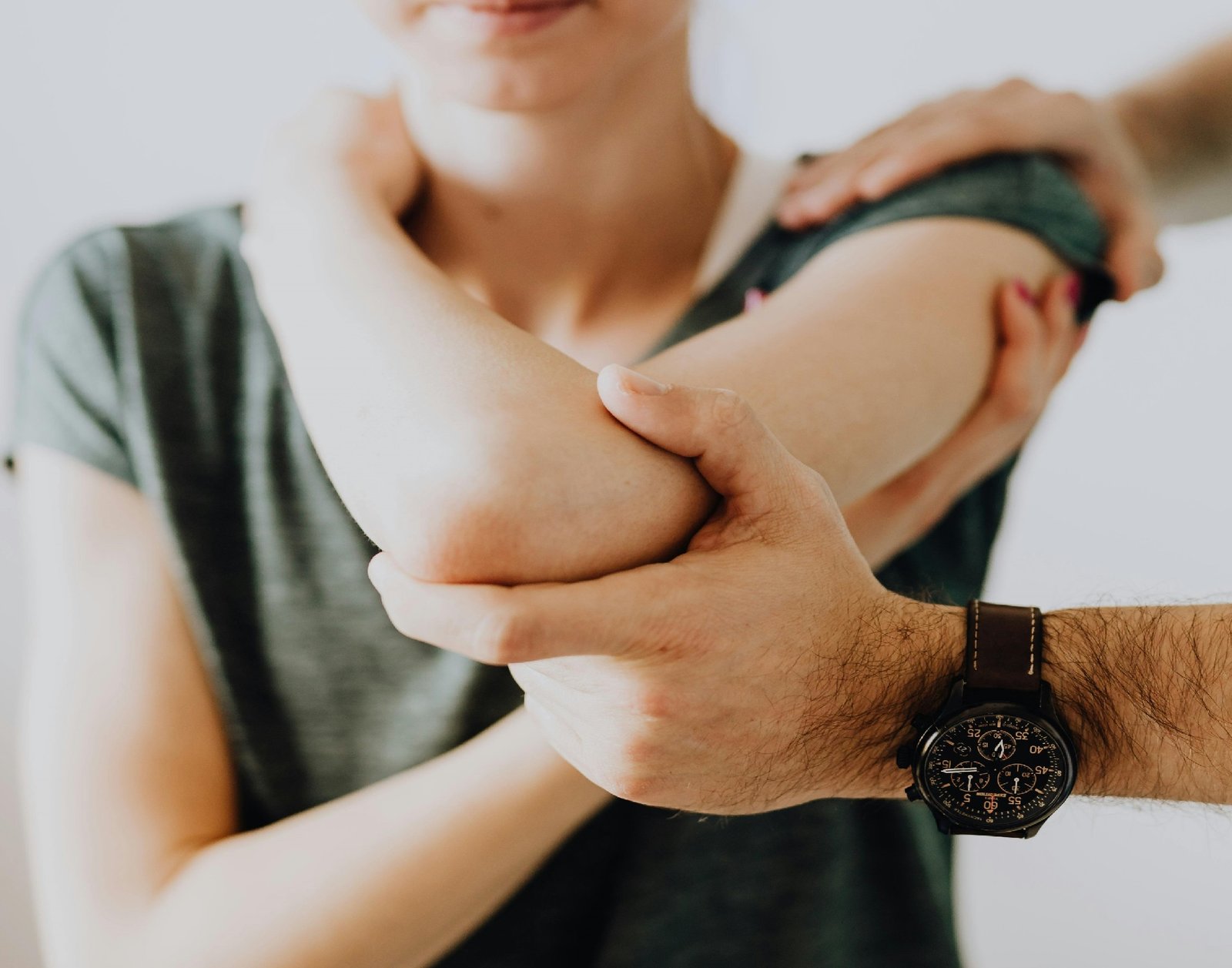
A significant challenge faced by individuals in the Urdu community who require arm prosthetics is the lack of access to adequate test resources and advancements in prosthetic technology. As technology continues to evolve, there is a growing need to ensure that the Urdu-speaking population has equal opportunities to benefit from these innovations. Arm prosthetics play a crucial role in enhancing the quality of life for individuals who have experienced limb loss or congenital limb differences. These prosthetic devices help restore functionality and independence, allowing individuals to perform daily tasks with greater ease. However, the effectiveness of arm prosthetics largely depends on the accuracy of the fitting process and the quality of the device. For the Urdu community, the availability of test resources for arm prosthetics is limited, making it challenging for individuals to find the right prosthetic solution that meets their unique needs. Without access to comprehensive testing facilities and specialized tools, individuals may struggle to obtain prosthetic devices that are comfortable, functional, and durable. To address this issue, it is crucial to invest in the development of test resources specifically tailored to the needs of the Urdu community. This includes creating testing protocols and standards that take into account cultural preferences, lifestyle requirements, and linguistic considerations. By promoting diversity and inclusion in prosthetic testing, we can ensure that individuals from the Urdu community receive personalized care and support throughout the prosthetic fitting process. Furthermore, advancements in prosthetic technology offer new opportunities to enhance the functionality and comfort of arm prosthetics. From 3D printing technology to myoelectric control systems, there are various innovations that have the potential to revolutionize prosthetic care for individuals in the Urdu community. By staying informed about the latest advancements in prosthetic technology, individuals can make informed decisions about their prosthetic options and explore new possibilities for enhancing their quality of life. In conclusion, empowering the Urdu community with access to comprehensive test resources and advancements in arm prosthetics is essential for promoting inclusivity and improving the quality of care. By advocating for diversity in prosthetic testing and embracing technological innovations, we can ensure that individuals in the Urdu community have the support they need to thrive with prosthetic devices that enhance their mobility, independence, and overall well-being.
Leave a Comment:
SEARCH
Recent News
- Zurich, Switzerland has long been known for its exceptional quality of life, beautiful surroundings, and high standard of healthcare. In contrast, the Russian healthcare system has faced various challenges and struggles over the years. Let's delve into the differences between the healthcare systems in Zurich, Switzerland, and Russia.
- Navigating Medical Device Regulations in Zurich, Switzerland
- In the bustling city of Zurich, Switzerland, finding healthy fast food options can be a challenge. However, with a little exploration and curiosity, you can discover some fantastic spots that offer nutritious and delicious meals on the go.
- YouTube Content Creation: Exploring the Russian Healthcare System
- In today's digital age, YouTube has become a powerful platform for content creators to share their knowledge and expertise with a global audience. One particular niche that has been gaining traction on YouTube is the creation and translation of content related to medical devices regulation.
- Are you looking for tips on creating YouTube content about healthy fast food options and the importance of translation in reaching a wider audience? Let's dive into how you can combine these two aspects to create engaging and informative videos for your channel.
- Exploring the Russian Healthcare System: Insights from a YouTube Channel
- Navigating the Regulatory Landscape for Medical Devices on YouTube
READ MORE
11 months ago Category :

Zurich, Switzerland has long been known for its exceptional quality of life, beautiful surroundings, and high standard of healthcare. In contrast, the Russian healthcare system has faced various challenges and struggles over the years. Let's delve into the differences between the healthcare systems in Zurich, Switzerland, and Russia.
Read More →11 months ago Category :

Navigating Medical Device Regulations in Zurich, Switzerland
Read More →11 months ago Category :

In the bustling city of Zurich, Switzerland, finding healthy fast food options can be a challenge. However, with a little exploration and curiosity, you can discover some fantastic spots that offer nutritious and delicious meals on the go.
Read More →11 months ago Category :
