Advancements in Arm Prosthetics within the Urdu Community in Slovenia
Category : | Sub Category : Posted on 2024-11-05 22:25:23
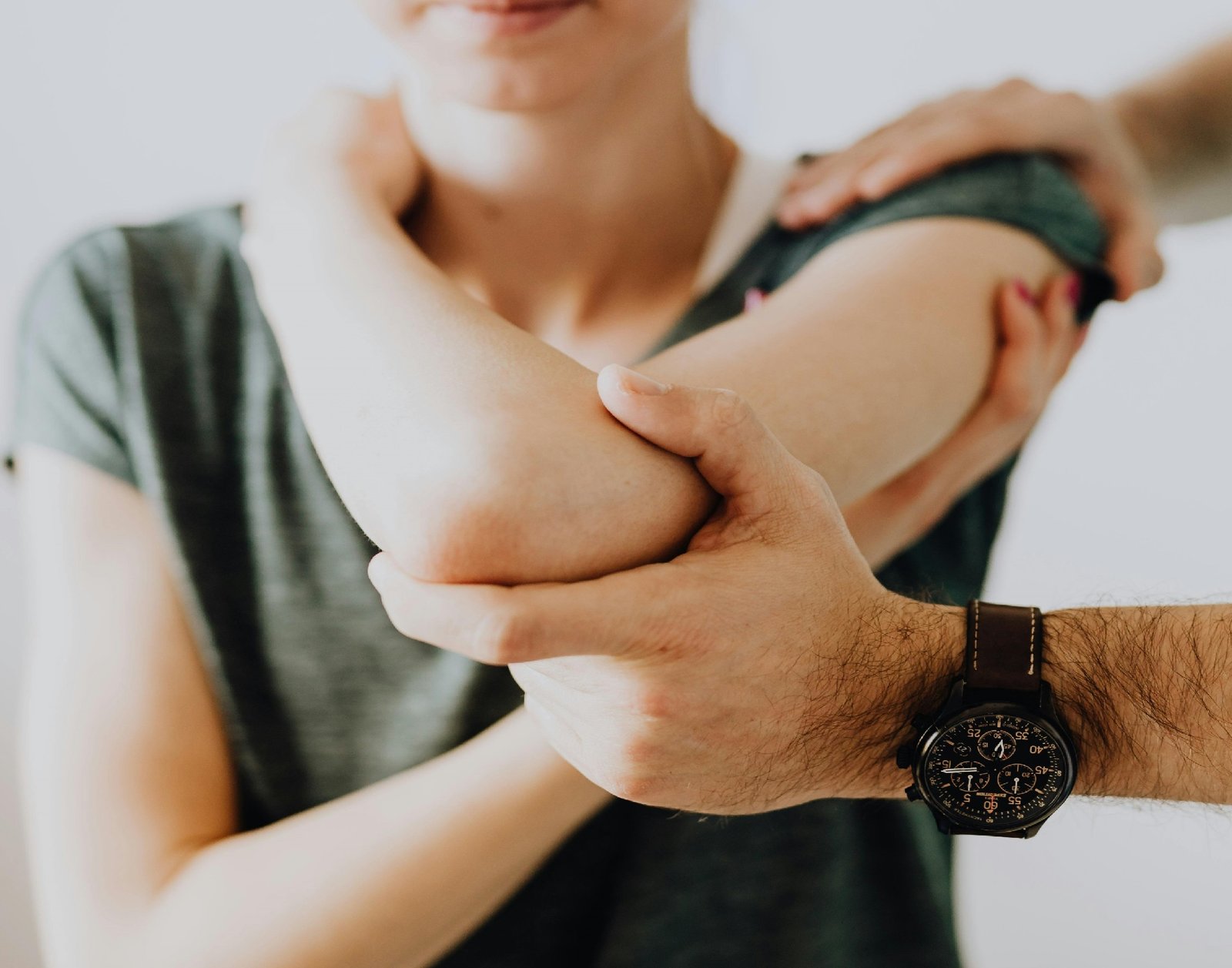
In recent years, there have been significant advancements in arm prosthetics technology that have greatly benefited individuals within the Urdu community living in Slovenia. Arm prosthetics play a crucial role in enhancing the quality of life for those who have lost a limb due to various reasons such as accidents, illnesses, or congenital conditions. The Urdu community in Slovenia has seen a positive impact from these advancements, allowing individuals to regain functionality and independence in their daily lives. One of the key advancements in arm prosthetics is the development of myoelectric prosthetic devices. These devices are equipped with sensors that can detect muscle movements in the residual limb. This allows users to control the prosthetic arm through their muscle contractions, providing a more natural and intuitive way of movement. This technology has been particularly beneficial for individuals within the Urdu community in Slovenia, as it enables them to perform tasks with more precision and dexterity. Furthermore, the customization of arm prosthetics has also improved significantly in recent years. Prosthetic limbs can now be personalized to match the individual's skin tone, size, and shape, making them more aesthetically pleasing and comfortable to wear. This customization aspect is especially important for individuals within the Urdu community in Slovenia, as it helps them feel more confident and accepted in society. Another important aspect of advancements in arm prosthetics is the integration of sensory feedback systems. Some modern prosthetic devices are equipped with sensors that provide feedback to the user about pressure, temperature, and grip strength. This sensory feedback helps users better manipulate objects and prevents accidental breakage or slippage. This feature has been particularly beneficial for individuals within the Urdu community in Slovenia, as it enhances their ability to perform tasks that require a delicate touch or precise grip. In addition to technological advancements, the accessibility of arm prosthetics within the Urdu community in Slovenia has also improved. Organizations and support groups have been established to help individuals navigate the process of obtaining a prosthetic limb, including funding options, rehabilitation services, and emotional support. This network of support has been instrumental in empowering individuals within the Urdu community to embrace and utilize arm prosthetics to their full potential. In conclusion, advancements in arm prosthetics have had a profound impact on the Urdu community in Slovenia, providing individuals with greater mobility, functionality, and confidence. From myoelectric technology to personalized customization and sensory feedback systems, these advancements have transformed the way individuals with limb loss interact with the world around them. As technology continues to advance, the future looks promising for individuals within the Urdu community in Slovenia who rely on arm prosthetics to enhance their quality of life.
Leave a Comment:
SEARCH
Recent News
- Zurich, Switzerland has long been known for its exceptional quality of life, beautiful surroundings, and high standard of healthcare. In contrast, the Russian healthcare system has faced various challenges and struggles over the years. Let's delve into the differences between the healthcare systems in Zurich, Switzerland, and Russia.
- Navigating Medical Device Regulations in Zurich, Switzerland
- In the bustling city of Zurich, Switzerland, finding healthy fast food options can be a challenge. However, with a little exploration and curiosity, you can discover some fantastic spots that offer nutritious and delicious meals on the go.
- YouTube Content Creation: Exploring the Russian Healthcare System
- In today's digital age, YouTube has become a powerful platform for content creators to share their knowledge and expertise with a global audience. One particular niche that has been gaining traction on YouTube is the creation and translation of content related to medical devices regulation.
- Are you looking for tips on creating YouTube content about healthy fast food options and the importance of translation in reaching a wider audience? Let's dive into how you can combine these two aspects to create engaging and informative videos for your channel.
- Exploring the Russian Healthcare System: Insights from a YouTube Channel
- Navigating the Regulatory Landscape for Medical Devices on YouTube
READ MORE
11 months ago Category :

Zurich, Switzerland has long been known for its exceptional quality of life, beautiful surroundings, and high standard of healthcare. In contrast, the Russian healthcare system has faced various challenges and struggles over the years. Let's delve into the differences between the healthcare systems in Zurich, Switzerland, and Russia.
Read More →11 months ago Category :

Navigating Medical Device Regulations in Zurich, Switzerland
Read More →11 months ago Category :

In the bustling city of Zurich, Switzerland, finding healthy fast food options can be a challenge. However, with a little exploration and curiosity, you can discover some fantastic spots that offer nutritious and delicious meals on the go.
Read More →11 months ago Category :
