Increasing Access to Arm Prosthetics in the Urdu Community: Exploring Proposals and Tenders
Category : | Sub Category : Posted on 2024-11-05 22:25:23
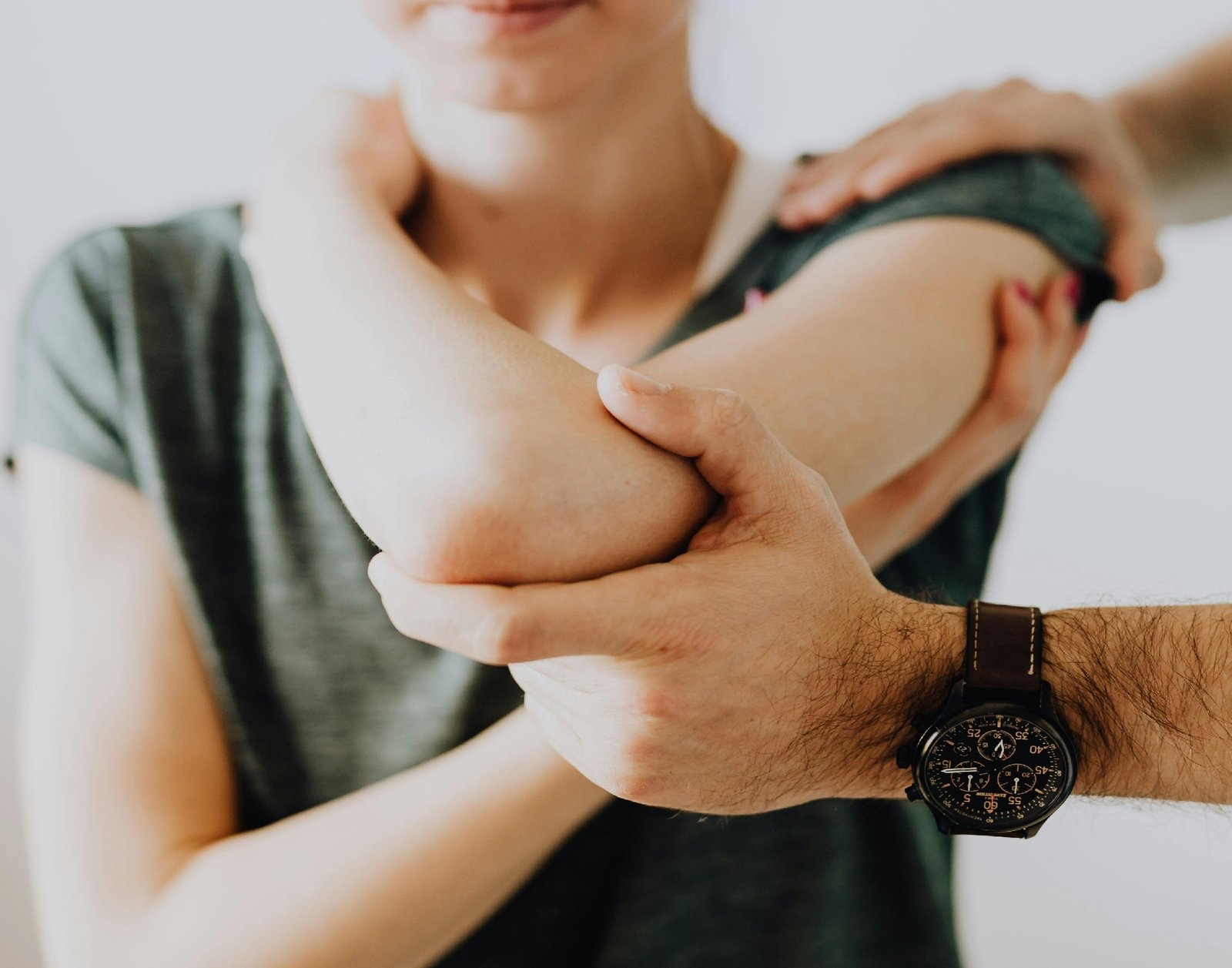
Introduction: In the Urdu-speaking community, individuals facing limb differences often encounter challenges in accessing proper arm prosthetics to support their daily lives. Recognizing this issue, it becomes crucial to explore proposals and tenders that aim to increase the availability and affordability of arm prosthetics within this community. This blog post delves into the significance of addressing this issue and how proposals and tenders can play a pivotal role in expanding access to these essential devices. Challenges Faced by the Urdu Community: Members of the Urdu community with arm amputations or limb differences often struggle to find suitable prosthetic solutions that cater to their specific needs. Limited awareness, financial constraints, and a lack of tailored services contribute to the impediments faced by individuals seeking quality arm prosthetics. These challenges not only affect their physical well-being but also impact their overall quality of life and societal participation. Importance of Proposals and Tenders: Proposals and tenders can serve as effective tools in addressing the gaps in access to arm prosthetics within the Urdu community. By inviting bids from manufacturers, suppliers, and service providers, organizations and government agencies can foster competition, innovation, and quality assurance in the prosthetics market. Through well-crafted proposals and tenders, stakeholders can set clear guidelines, specifications, and pricing structures to ensure the delivery of reliable and affordable arm prosthetics to those in need. Enhancing Collaboration and Community Engagement: Engaging with local prosthetic experts, healthcare professionals, community leaders, and individuals with lived experiences can enrich the proposal and tender process. Collaborative efforts can help in identifying specific requirements, cultural considerations, and accessibility barriers unique to the Urdu community. By involving key stakeholders in the decision-making process, proposals and tenders can better reflect the diverse needs and preferences of end-users, leading to more tailored and effective prosthetic solutions. Promoting Awareness and Education: In addition to soliciting proposals and tenders, raising awareness about the importance of arm prosthetics and advocating for inclusive prosthetic services is essential. Community outreach programs, educational initiatives, and informational campaigns can help dispel myths, reduce stigma, and empower Urdu-speaking individuals to seek appropriate prosthetic care. By fostering a culture of acceptance and support, proposals and tenders can drive positive change and promote greater inclusivity within the prosthetics sector. Conclusion: Increasing access to arm prosthetics in the Urdu community requires a multi-faceted approach that includes the development of comprehensive proposals and tenders. By addressing the specific needs of individuals with limb differences, promoting collaboration, and advocating for awareness, proposals and tenders can serve as catalysts for positive change. Through collective efforts and a commitment to inclusivity, we can create a more equitable and accessible environment for all members of the Urdu community in need of arm prosthetic solutions.
Leave a Comment:
SEARCH
Recent News
- Zurich, Switzerland has long been known for its exceptional quality of life, beautiful surroundings, and high standard of healthcare. In contrast, the Russian healthcare system has faced various challenges and struggles over the years. Let's delve into the differences between the healthcare systems in Zurich, Switzerland, and Russia.
- Navigating Medical Device Regulations in Zurich, Switzerland
- In the bustling city of Zurich, Switzerland, finding healthy fast food options can be a challenge. However, with a little exploration and curiosity, you can discover some fantastic spots that offer nutritious and delicious meals on the go.
- YouTube Content Creation: Exploring the Russian Healthcare System
- In today's digital age, YouTube has become a powerful platform for content creators to share their knowledge and expertise with a global audience. One particular niche that has been gaining traction on YouTube is the creation and translation of content related to medical devices regulation.
- Are you looking for tips on creating YouTube content about healthy fast food options and the importance of translation in reaching a wider audience? Let's dive into how you can combine these two aspects to create engaging and informative videos for your channel.
- Exploring the Russian Healthcare System: Insights from a YouTube Channel
- Navigating the Regulatory Landscape for Medical Devices on YouTube
READ MORE
11 months ago Category :

Zurich, Switzerland has long been known for its exceptional quality of life, beautiful surroundings, and high standard of healthcare. In contrast, the Russian healthcare system has faced various challenges and struggles over the years. Let's delve into the differences between the healthcare systems in Zurich, Switzerland, and Russia.
Read More →11 months ago Category :

Navigating Medical Device Regulations in Zurich, Switzerland
Read More →11 months ago Category :

In the bustling city of Zurich, Switzerland, finding healthy fast food options can be a challenge. However, with a little exploration and curiosity, you can discover some fantastic spots that offer nutritious and delicious meals on the go.
Read More →11 months ago Category :
