Advancements in Arm Prosthetics: Lighting Up Opportunities for the Urdu Community
Category : | Sub Category : Posted on 2024-11-05 22:25:23
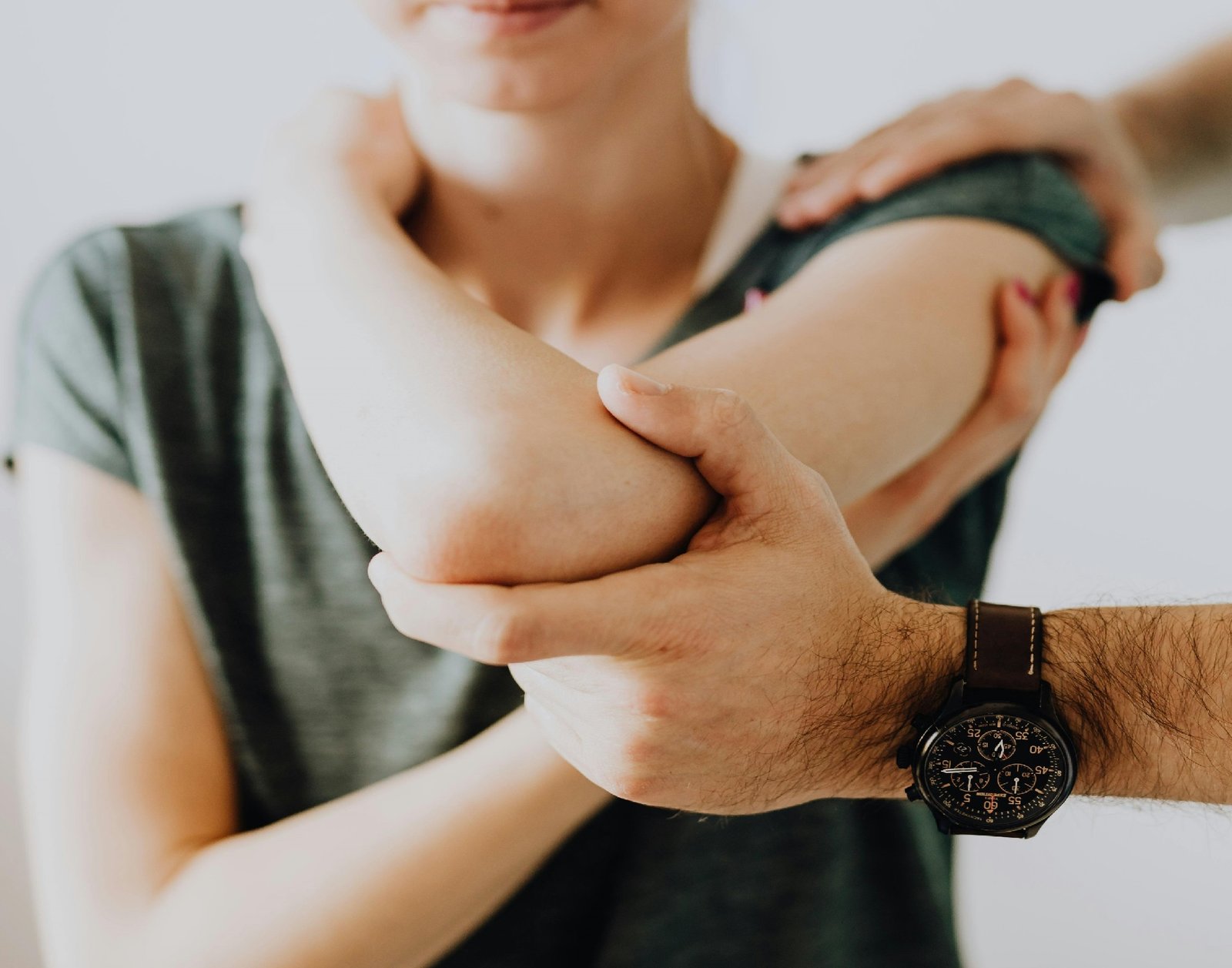
In recent years, advancements in arm prosthetics have revolutionized the lives of individuals facing limb loss or limb difference. These innovative technologies have not only enhanced the functionality of prosthetic arms but also opened up new possibilities for individuals within the Urdu community. The integration of Lighting features in arm prosthetics is one such development that is transforming the way individuals interact with their prosthetic devices. Lighting in arm prosthetics serves both practical and aesthetic purposes. From improved visibility in low-light conditions to personalized color options for self-expression, lighting features are enhancing the user experience in significant ways. This advancement is particularly impactful for individuals within the Urdu community who may face unique challenges or societal stigmas associated with limb differences. The incorporation of lighting in prosthetic arms not only normalizes the use of these devices but also empowers users to embrace their individuality with pride. One of the key benefits of lighting in arm prosthetics is its role in improving safety and functionality. LED lights embedded in the prosthetic arm can serve as indicators for battery life, feedback on grip strength, or alerts for incoming calls or messages. This real-time information not only enhances the overall usability of the prosthetic device but also increases the user's sense of control and autonomy. Moreover, the aesthetic appeal of lighting in arm prosthetics should not be underestimated. Customizable lighting options allow users to express their personalities and cultural identities through their prosthetic devices. For individuals within the Urdu community, incorporating traditional motifs or colors into the lighting design can be a powerful way to connect with their heritage and foster a sense of belonging. Beyond individual empowerment, the integration of lighting in arm prosthetics is also creating opportunities for community engagement and advocacy. By showcasing the capabilities of these advanced prosthetic technologies, individuals within the Urdu community can raise awareness, challenge stereotypes, and inspire others facing similar challenges to embrace innovation and inclusivity. In conclusion, the integration of lighting features in arm prosthetics represents a significant step forward in enhancing the lives of individuals within the Urdu community. By combining functionality, aesthetics, and cultural relevance, these advancements are not only improving the user experience but also paving the way for greater acceptance and empowerment. As technology continues to evolve, arm prosthetics with lighting features are illuminating a brighter future for individuals with limb differences, offering them the opportunity to shine brightly in a world that celebrates diversity and innovation.
Leave a Comment:
SEARCH
Recent News
- Zurich, Switzerland has long been known for its exceptional quality of life, beautiful surroundings, and high standard of healthcare. In contrast, the Russian healthcare system has faced various challenges and struggles over the years. Let's delve into the differences between the healthcare systems in Zurich, Switzerland, and Russia.
- Navigating Medical Device Regulations in Zurich, Switzerland
- In the bustling city of Zurich, Switzerland, finding healthy fast food options can be a challenge. However, with a little exploration and curiosity, you can discover some fantastic spots that offer nutritious and delicious meals on the go.
- YouTube Content Creation: Exploring the Russian Healthcare System
- In today's digital age, YouTube has become a powerful platform for content creators to share their knowledge and expertise with a global audience. One particular niche that has been gaining traction on YouTube is the creation and translation of content related to medical devices regulation.
- Are you looking for tips on creating YouTube content about healthy fast food options and the importance of translation in reaching a wider audience? Let's dive into how you can combine these two aspects to create engaging and informative videos for your channel.
- Exploring the Russian Healthcare System: Insights from a YouTube Channel
- Navigating the Regulatory Landscape for Medical Devices on YouTube
READ MORE
11 months ago Category :

Zurich, Switzerland has long been known for its exceptional quality of life, beautiful surroundings, and high standard of healthcare. In contrast, the Russian healthcare system has faced various challenges and struggles over the years. Let's delve into the differences between the healthcare systems in Zurich, Switzerland, and Russia.
Read More →11 months ago Category :

Navigating Medical Device Regulations in Zurich, Switzerland
Read More →11 months ago Category :

In the bustling city of Zurich, Switzerland, finding healthy fast food options can be a challenge. However, with a little exploration and curiosity, you can discover some fantastic spots that offer nutritious and delicious meals on the go.
Read More →11 months ago Category :
