Navigating Arm Prosthetics Regulations in the Urdu Community
Category : | Sub Category : Posted on 2024-11-05 22:25:23
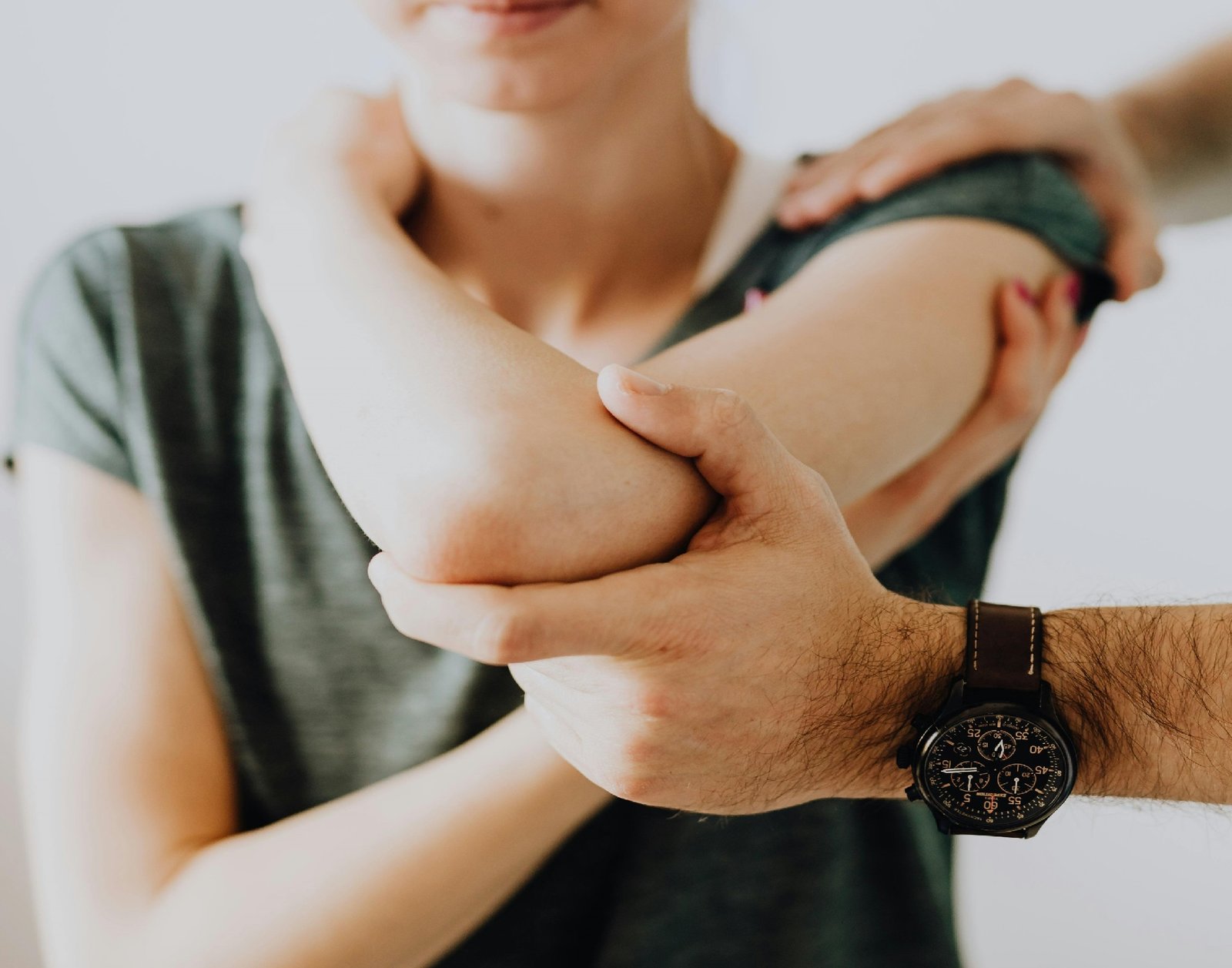
Introduction: In recent years, advancements in technology have greatly improved the design and functionality of arm prosthetics, offering a new sense of mobility and independence to individuals with limb loss. Within the Urdu community, there has been a growing interest in utilizing these innovative solutions. However, navigating the complex laws and regulations surrounding arm prosthetics can often be challenging. In this blog post, we will explore the current state of arm prosthetics regulations and provide insights for individuals in the Urdu community seeking to understand their rights and options in this field. Understanding the regulatory Landscape: Arm prosthetics are classified as medical devices and are subject to regulatory oversight by government agencies to ensure their safety and efficacy. In the United States, the Food and Drug Administration (FDA) is responsible for regulating medical devices, including arm prosthetics. Before a prosthetic device can be marketed and sold, it must undergo thorough testing to demonstrate its safety and effectiveness. Challenges Faced by the Urdu Community: Individuals in the Urdu community face unique challenges when it comes to accessing and utilizing arm prosthetics. Language barriers, cultural norms, and lack of awareness about available resources can often hinder individuals from seeking out appropriate prosthetic solutions. Additionally, limited access to healthcare facilities that offer prosthetic services can further complicate the process. Rights and Resources for the Urdu Community: It is important for individuals in the Urdu community to be aware of their rights when it comes to accessing arm prosthetics. Patients have the right to receive information about the different types of prosthetic devices available, as well as the risks and benefits associated with each option. Additionally, individuals have the right to seek a second opinion from healthcare professionals and to make informed decisions about their prosthetic care. There are also resources available to support individuals in the Urdu community in their journey towards obtaining arm prosthetics. Local community organizations, support groups, and healthcare providers who specialize in prosthetics can offer valuable guidance and assistance. These resources can help individuals navigate the complex regulatory landscape and overcome barriers to accessing prosthetic care. Conclusion: In conclusion, arm prosthetics offer a promising solution for individuals in the Urdu community living with limb loss. By understanding the laws and regulations governing prosthetic devices and accessing the right resources, individuals can make informed decisions about their prosthetic care. It is essential for healthcare providers, policymakers, and community organizations to work together to ensure that individuals in the Urdu community have equal access to quality prosthetic services. Through increased awareness and advocacy, we can help empower individuals to embrace the possibilities offered by modern arm prosthetics.
https://vollmacht.org
Leave a Comment:
SEARCH
Recent News
- Zurich, Switzerland has long been known for its exceptional quality of life, beautiful surroundings, and high standard of healthcare. In contrast, the Russian healthcare system has faced various challenges and struggles over the years. Let's delve into the differences between the healthcare systems in Zurich, Switzerland, and Russia.
- Navigating Medical Device Regulations in Zurich, Switzerland
- In the bustling city of Zurich, Switzerland, finding healthy fast food options can be a challenge. However, with a little exploration and curiosity, you can discover some fantastic spots that offer nutritious and delicious meals on the go.
- YouTube Content Creation: Exploring the Russian Healthcare System
- In today's digital age, YouTube has become a powerful platform for content creators to share their knowledge and expertise with a global audience. One particular niche that has been gaining traction on YouTube is the creation and translation of content related to medical devices regulation.
- Are you looking for tips on creating YouTube content about healthy fast food options and the importance of translation in reaching a wider audience? Let's dive into how you can combine these two aspects to create engaging and informative videos for your channel.
- Exploring the Russian Healthcare System: Insights from a YouTube Channel
- Navigating the Regulatory Landscape for Medical Devices on YouTube
READ MORE
11 months ago Category :

Zurich, Switzerland has long been known for its exceptional quality of life, beautiful surroundings, and high standard of healthcare. In contrast, the Russian healthcare system has faced various challenges and struggles over the years. Let's delve into the differences between the healthcare systems in Zurich, Switzerland, and Russia.
Read More →11 months ago Category :

Navigating Medical Device Regulations in Zurich, Switzerland
Read More →11 months ago Category :

In the bustling city of Zurich, Switzerland, finding healthy fast food options can be a challenge. However, with a little exploration and curiosity, you can discover some fantastic spots that offer nutritious and delicious meals on the go.
Read More →11 months ago Category :
