Advancements in Arm Prosthetics for the Urdu Community in Karachi, Pakistan
Category : | Sub Category : Posted on 2024-11-05 22:25:23
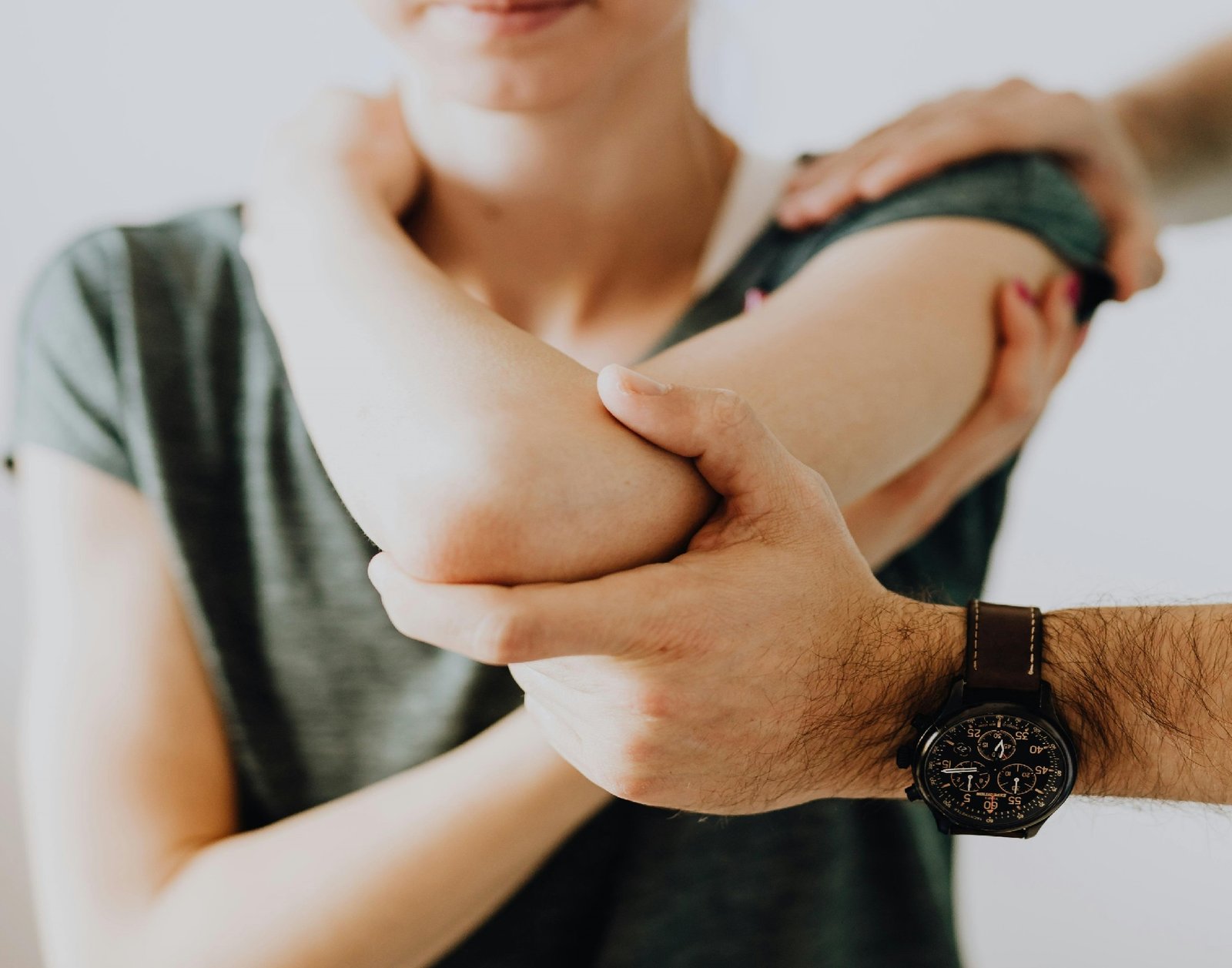
Introduction: Arm prosthetics have revolutionized the lives of individuals who have lost their limbs due to various reasons such as accidents, medical conditions, or congenital disabilities. The Urdu community in Karachi, Pakistan, has also benefitted from advancements in arm prosthetics, helping them regain their independence and improve their quality of life. History of Arm Prosthetics: The history of arm prosthetics dates back to ancient times when rudimentary prosthetic limbs were crafted from materials like wood and metal. Over the years, technological advancements have led to the development of more sophisticated and functional prosthetic arms that closely mimic the movements of natural limbs. Challenges Faced by the Urdu Community in Karachi: The Urdu community in Karachi, Pakistan, faces several challenges when it comes to accessing high-quality arm prosthetics. Limited resources, lack of awareness about available technologies, and financial constraints have been some of the main obstacles for individuals seeking prosthetic solutions in the region. Advancements in Arm Prosthetics: Despite the challenges, recent advancements in arm prosthetics have offered hope to the Urdu community in Karachi. Modern prosthetic arms are lightweight, customizable, and designed to provide a wide range of movements, giving users greater functionality and comfort in their daily activities. Technological Innovations: Technological innovations such as myoelectric prosthetics, which use muscle signals to control the movement of the prosthetic arm, have significantly enhanced the user experience. These advanced prosthetics can perform delicate tasks with precision, allowing users to regain a sense of normalcy in their daily lives. Impact on Quality of Life: The impact of advanced arm prosthetics on the quality of life of individuals in the Urdu community in Karachi cannot be overstated. Prosthetic arms enable users to perform essential tasks independently, participate in activities they enjoy, and engage more fully in their social and professional lives. Future Outlook: As technology continues to evolve, the future of arm prosthetics looks promising for the Urdu community in Karachi, Pakistan. With ongoing research and development, we can expect even more innovative solutions that will further enhance the functionality and aesthetics of prosthetic arms, ultimately improving the lives of individuals in need. Conclusion: Arm prosthetics have come a long way in providing life-changing solutions for individuals in the Urdu community in Karachi, Pakistan. With advancements in technology and a growing focus on accessibility and affordability, more individuals are now able to benefit from high-quality prosthetic arms that enable them to lead independent and fulfilling lives.
Leave a Comment:
SEARCH
Recent News
- Zurich, Switzerland has long been known for its exceptional quality of life, beautiful surroundings, and high standard of healthcare. In contrast, the Russian healthcare system has faced various challenges and struggles over the years. Let's delve into the differences between the healthcare systems in Zurich, Switzerland, and Russia.
- Navigating Medical Device Regulations in Zurich, Switzerland
- In the bustling city of Zurich, Switzerland, finding healthy fast food options can be a challenge. However, with a little exploration and curiosity, you can discover some fantastic spots that offer nutritious and delicious meals on the go.
- YouTube Content Creation: Exploring the Russian Healthcare System
- In today's digital age, YouTube has become a powerful platform for content creators to share their knowledge and expertise with a global audience. One particular niche that has been gaining traction on YouTube is the creation and translation of content related to medical devices regulation.
- Are you looking for tips on creating YouTube content about healthy fast food options and the importance of translation in reaching a wider audience? Let's dive into how you can combine these two aspects to create engaging and informative videos for your channel.
- Exploring the Russian Healthcare System: Insights from a YouTube Channel
- Navigating the Regulatory Landscape for Medical Devices on YouTube
READ MORE
11 months ago Category :

Zurich, Switzerland has long been known for its exceptional quality of life, beautiful surroundings, and high standard of healthcare. In contrast, the Russian healthcare system has faced various challenges and struggles over the years. Let's delve into the differences between the healthcare systems in Zurich, Switzerland, and Russia.
Read More →11 months ago Category :

Navigating Medical Device Regulations in Zurich, Switzerland
Read More →11 months ago Category :

In the bustling city of Zurich, Switzerland, finding healthy fast food options can be a challenge. However, with a little exploration and curiosity, you can discover some fantastic spots that offer nutritious and delicious meals on the go.
Read More →11 months ago Category :
