Advancements in Arm Prosthetics: Impact on the Urdu Community in Kuwait and DACH Region Countries
Category : | Sub Category : Posted on 2024-11-05 22:25:23
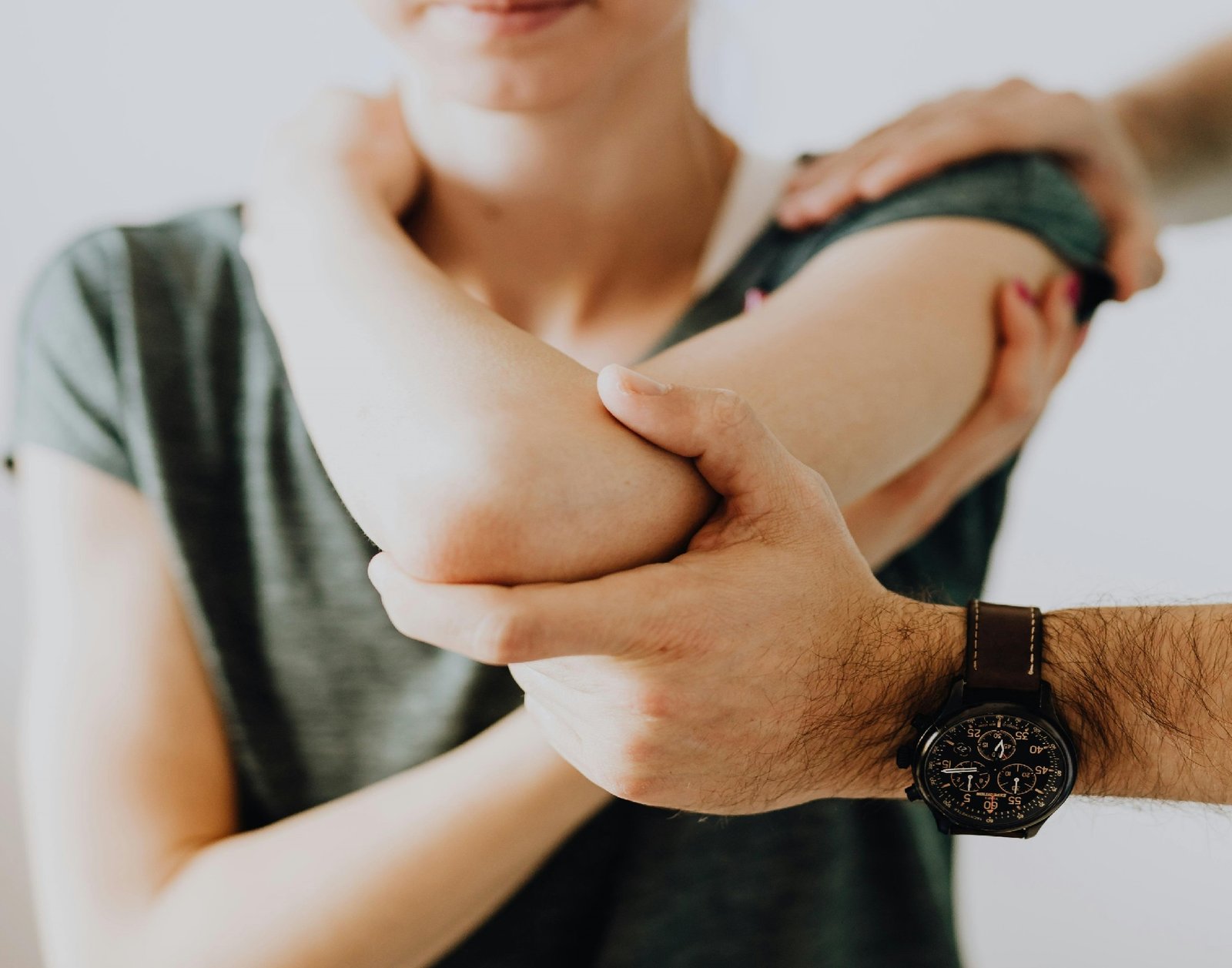
In recent years, the field of arm prosthetics has seen significant advancements that have revolutionized the lives of individuals with limb loss or limb differences. These advancements have had a particularly profound impact on the Urdu community in Kuwait and the DACH region countries (Germany, Austria, and Switzerland), providing them with improved mobility, functionality, and quality of life. Arm prosthetics are artificial devices designed to replace a missing or non-functioning arm. They can range from simple cosmetic prostheses to advanced myoelectric prostheses that are controlled by the user's muscle signals. The development of more advanced prosthetic technologies has enabled individuals to perform a wide range of daily tasks with greater ease and efficiency. For the Urdu community in Kuwait and the DACH region countries, access to quality arm prosthetics is crucial for enabling individuals to fully participate in society and lead independent lives. Language and cultural barriers can sometimes pose challenges in accessing appropriate prosthetic care, but efforts are being made to ensure that individuals from diverse linguistic and cultural backgrounds have equal access to prosthetic services. One of the key benefits of advancements in arm prosthetics is the improved functionality and comfort they offer. Modern prosthetic devices are lightweight, customizable, and designed to closely mimic the movements of a natural arm. This level of functionality allows users to perform tasks that were once difficult or impossible, such as grasping objects, typing on a computer, or even playing musical instruments. Furthermore, advancements in prosthetic technology have also led to improvements in prosthetic aesthetics. Prosthetic devices can now be customized to match the user's skin tone, making them more visually appealing and helping individuals feel more confident and comfortable wearing them in public settings. In addition to technological advancements, ongoing research in the field of arm prosthetics is focused on enhancing the neuroprosthetic interface between the user and the device. This includes developments in brain-computer interfaces and sensory feedback systems, which aim to further improve the user's ability to control and interact with their prosthetic limb. Overall, the advancements in arm prosthetics are transforming the lives of individuals in the Urdu community in Kuwait and the DACH region countries, providing them with greater independence, mobility, and self-confidence. As technology continues to advance, we can expect further improvements in prosthetic design and functionality, ultimately enhancing the quality of life for individuals with limb differences around the world.
Leave a Comment:
SEARCH
Recent News
- Zurich, Switzerland has long been known for its exceptional quality of life, beautiful surroundings, and high standard of healthcare. In contrast, the Russian healthcare system has faced various challenges and struggles over the years. Let's delve into the differences between the healthcare systems in Zurich, Switzerland, and Russia.
- Navigating Medical Device Regulations in Zurich, Switzerland
- In the bustling city of Zurich, Switzerland, finding healthy fast food options can be a challenge. However, with a little exploration and curiosity, you can discover some fantastic spots that offer nutritious and delicious meals on the go.
- YouTube Content Creation: Exploring the Russian Healthcare System
- In today's digital age, YouTube has become a powerful platform for content creators to share their knowledge and expertise with a global audience. One particular niche that has been gaining traction on YouTube is the creation and translation of content related to medical devices regulation.
- Are you looking for tips on creating YouTube content about healthy fast food options and the importance of translation in reaching a wider audience? Let's dive into how you can combine these two aspects to create engaging and informative videos for your channel.
- Exploring the Russian Healthcare System: Insights from a YouTube Channel
- Navigating the Regulatory Landscape for Medical Devices on YouTube
READ MORE
11 months ago Category :

Zurich, Switzerland has long been known for its exceptional quality of life, beautiful surroundings, and high standard of healthcare. In contrast, the Russian healthcare system has faced various challenges and struggles over the years. Let's delve into the differences between the healthcare systems in Zurich, Switzerland, and Russia.
Read More →11 months ago Category :

Navigating Medical Device Regulations in Zurich, Switzerland
Read More →11 months ago Category :

In the bustling city of Zurich, Switzerland, finding healthy fast food options can be a challenge. However, with a little exploration and curiosity, you can discover some fantastic spots that offer nutritious and delicious meals on the go.
Read More →11 months ago Category :
