Enhancing Farming Technology for the Urdu Community with Arm Prosthetics
Category : | Sub Category : Posted on 2024-11-05 22:25:23
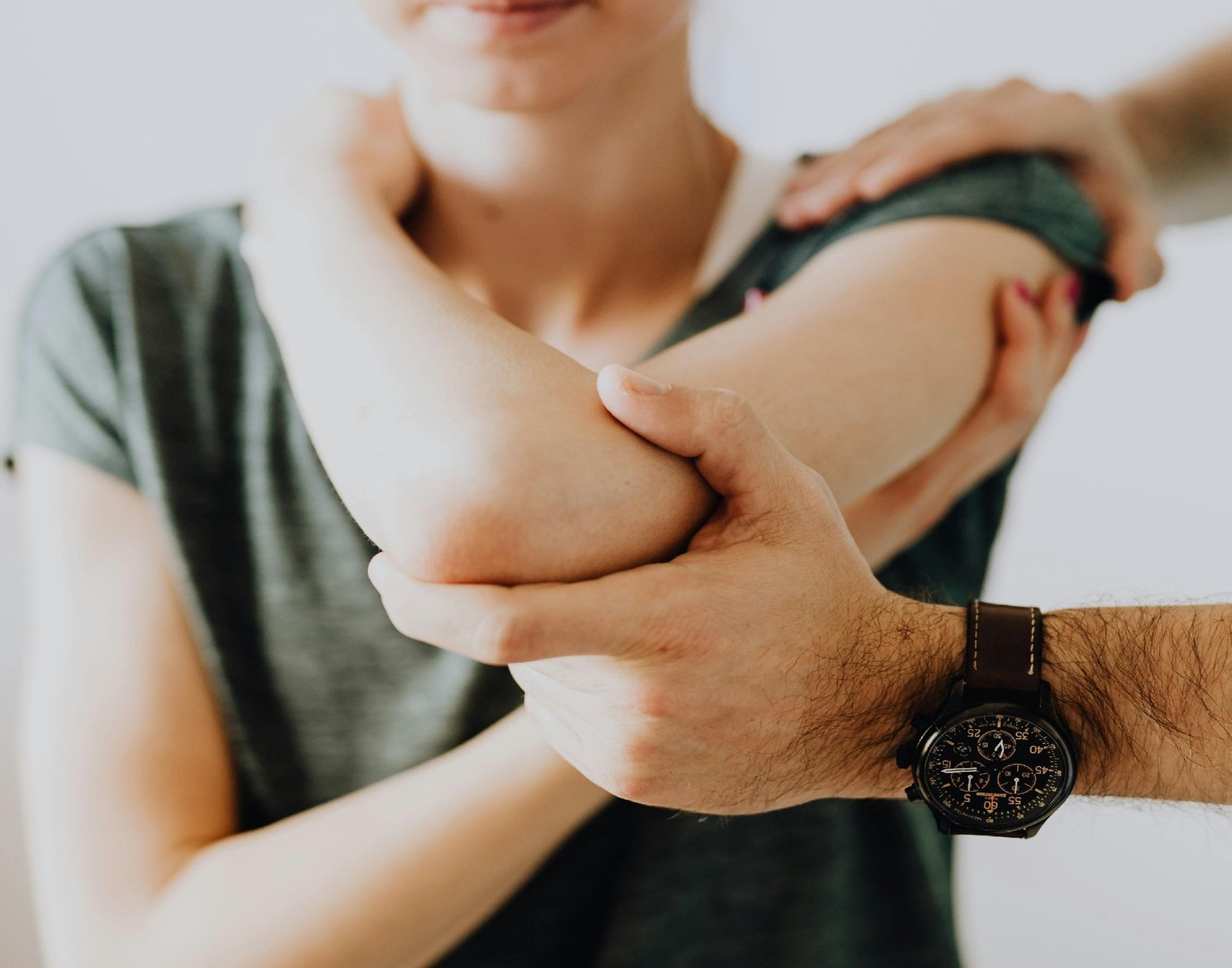
In recent years, the field of farming technology has seen significant advancements, revolutionizing the way we cultivate crops and care for livestock. These technological innovations have the potential to benefit various communities around the world, including the Urdu-speaking population, by improving efficiency, sustainability, and overall productivity in agriculture. One such innovative technology that holds promise for the Urdu community in farming practices is arm prosthetics. Arm prosthetics are artificial limbs designed to replace a missing or non-functioning arm or hand. While traditionally associated with healthcare and rehabilitation, the application of arm prosthetics in agriculture can provide significant advantages for farmers within the Urdu community. Whether due to congenital disabilities, injuries, or other factors, farmers with reduced arm functionality can face challenges in performing essential tasks on the farm. Arm prosthetics offer a solution by restoring or enhancing the farmer's ability to carry out various farming activities effectively. One of the key benefits of utilizing arm prosthetics in farming is improved labor efficiency. Farmers with arm disabilities often struggle with tasks such as planting seeds, harvesting crops, or operating machinery. By equipping them with advanced prosthetic arms, these individuals can perform these tasks more efficiently, thereby increasing overall productivity on the farm. Additionally, arm prosthetics can help reduce physical strain and fatigue, allowing farmers to work for longer hours without compromising their health and well-being. Moreover, arm prosthetics can facilitate the adoption of modern farming techniques and technologies within the Urdu community. For instance, precision agriculture, which involves the use of drones, sensors, and data analytics to optimize crop management, requires dexterity and precision in operating technical equipment. With customized arm prosthetics, Urdu farmers can gain the necessary control and grip to effectively engage with these technologies, leading to improved crop yields, resource utilization, and profitability. In addition to practical benefits, the integration of arm prosthetics in farming can promote inclusivity and empowerment within the Urdu community. By enabling farmers with arm disabilities to actively participate in agricultural activities, these individuals can contribute meaningfully to their families and communities, fostering a sense of pride and independence. Furthermore, raising awareness about the potential of arm prosthetics in agriculture can help destigmatize disabilities and encourage greater acceptance and support for individuals facing similar challenges. As we look towards the future of farming technology, integrating arm prosthetics into agricultural practices presents a unique opportunity to enhance the livelihoods of Urdu farmers and promote sustainable agricultural development. By leveraging the power of innovation and inclusivity, we can create a more inclusive and equitable farming sector that benefits all members of the community, regardless of physical ability. Let us embrace the potential of arm prosthetics in transforming agriculture and empowering the Urdu community to thrive in the ever-evolving agricultural landscape.
Leave a Comment:
SEARCH
Recent News
- Zurich, Switzerland has long been known for its exceptional quality of life, beautiful surroundings, and high standard of healthcare. In contrast, the Russian healthcare system has faced various challenges and struggles over the years. Let's delve into the differences between the healthcare systems in Zurich, Switzerland, and Russia.
- Navigating Medical Device Regulations in Zurich, Switzerland
- In the bustling city of Zurich, Switzerland, finding healthy fast food options can be a challenge. However, with a little exploration and curiosity, you can discover some fantastic spots that offer nutritious and delicious meals on the go.
- YouTube Content Creation: Exploring the Russian Healthcare System
- In today's digital age, YouTube has become a powerful platform for content creators to share their knowledge and expertise with a global audience. One particular niche that has been gaining traction on YouTube is the creation and translation of content related to medical devices regulation.
- Are you looking for tips on creating YouTube content about healthy fast food options and the importance of translation in reaching a wider audience? Let's dive into how you can combine these two aspects to create engaging and informative videos for your channel.
- Exploring the Russian Healthcare System: Insights from a YouTube Channel
- Navigating the Regulatory Landscape for Medical Devices on YouTube
READ MORE
11 months ago Category :

Zurich, Switzerland has long been known for its exceptional quality of life, beautiful surroundings, and high standard of healthcare. In contrast, the Russian healthcare system has faced various challenges and struggles over the years. Let's delve into the differences between the healthcare systems in Zurich, Switzerland, and Russia.
Read More →11 months ago Category :

Navigating Medical Device Regulations in Zurich, Switzerland
Read More →11 months ago Category :

In the bustling city of Zurich, Switzerland, finding healthy fast food options can be a challenge. However, with a little exploration and curiosity, you can discover some fantastic spots that offer nutritious and delicious meals on the go.
Read More →11 months ago Category :
