Bridging the Gap: Arm Prosthetics in the Urdu Community and the Role of the Chinese Language
Category : | Sub Category : Posted on 2024-11-05 22:25:23
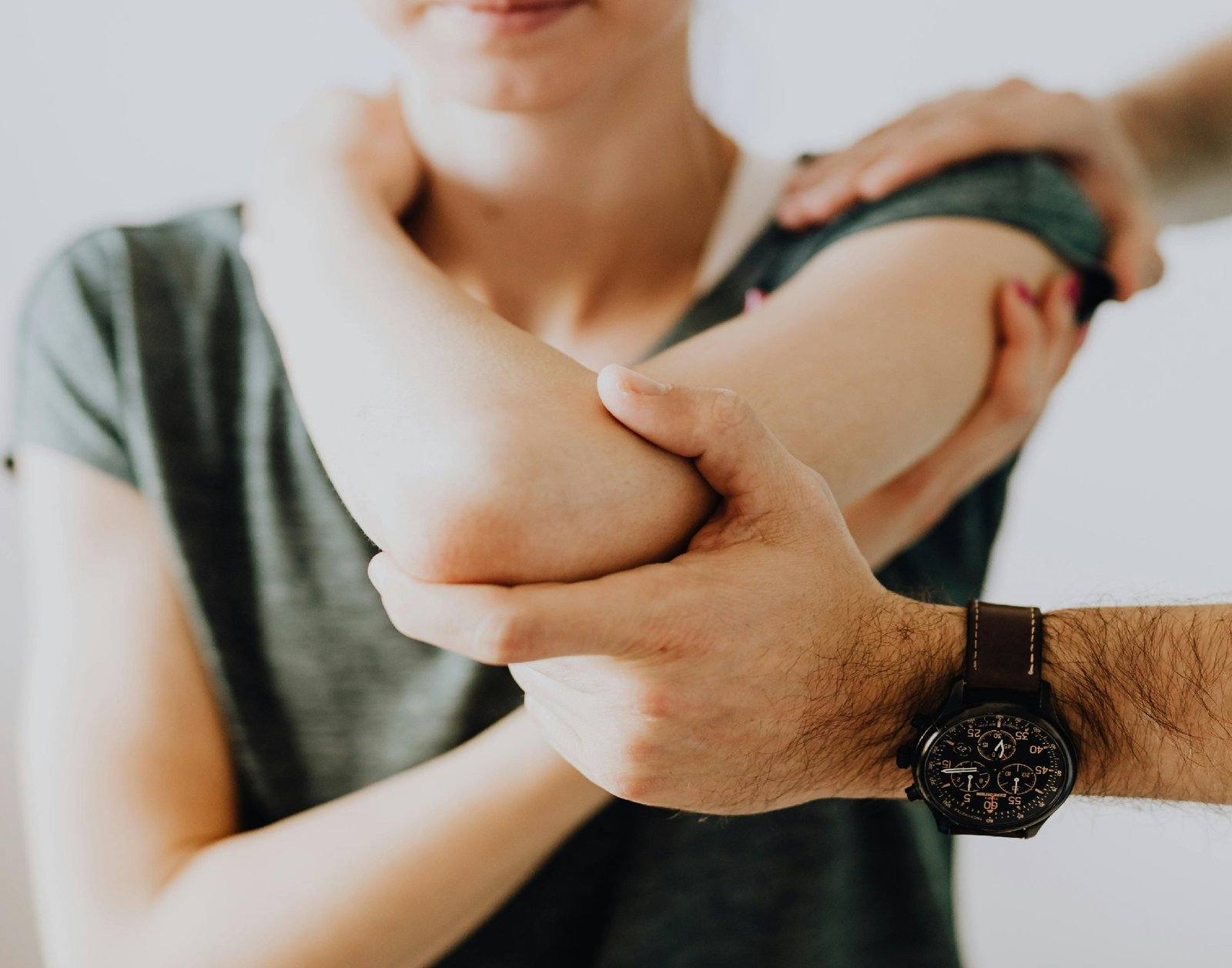
In many communities around the world, individuals face challenges related to physical disabilities, including the need for arm prosthetics to regain independence and functionality. Within the Urdu community, the demand for effective arm prosthetics is significant, as many individuals may have experienced limb loss due to various reasons such as accidents, injuries, or medical conditions. One interesting aspect that can contribute to addressing this need is the role of the Chinese language in the development and accessibility of arm prosthetics for the Urdu community. China has been a hub for technological advancements in prosthetics, with many innovative companies leading the way in developing state-of-the-art prosthetic devices. By leveraging the expertise and resources available in China, members of the Urdu community can benefit from accessing advanced arm prosthetics that are not only functional and durable but also cater to their cultural and linguistic preferences. The Chinese language, with its widespread use in the field of technology and innovation, can serve as a bridge for Urdu-speaking individuals to access information, resources, and support related to arm prosthetics. Moreover, the collaboration between the Urdu community and Chinese prosthetic experts can lead to the development of customized solutions that take into consideration the unique needs and preferences of Urdu-speaking individuals. This collaboration can foster cultural understanding and inclusivity, ensuring that arm prosthetics are not only effective but also culturally sensitive and relevant. In addition to technological advancements, raising awareness within the Urdu community about the importance of prosthetics and rehabilitation services is crucial. Education and advocacy efforts can help break down stigmas related to disabilities and empower individuals to seek the support they need to lead fulfilling lives. By combining the expertise of Chinese prosthetic specialists with the cultural insights of the Urdu community, innovative solutions can be developed to address the challenges faced by individuals in need of arm prosthetics. This collaboration highlights the importance of cultural diversity and global cooperation in improving accessibility to essential healthcare services for all individuals, regardless of their background or language. In conclusion, the intersection of arm prosthetics, the Urdu community, and the Chinese language presents a unique opportunity to enhance the quality of life for individuals in need of prosthetic devices. By fostering collaboration, cultural understanding, and technological innovation, we can create a more inclusive and accessible world for all.
Leave a Comment:
SEARCH
Recent News
- Zurich, Switzerland has long been known for its exceptional quality of life, beautiful surroundings, and high standard of healthcare. In contrast, the Russian healthcare system has faced various challenges and struggles over the years. Let's delve into the differences between the healthcare systems in Zurich, Switzerland, and Russia.
- Navigating Medical Device Regulations in Zurich, Switzerland
- In the bustling city of Zurich, Switzerland, finding healthy fast food options can be a challenge. However, with a little exploration and curiosity, you can discover some fantastic spots that offer nutritious and delicious meals on the go.
- YouTube Content Creation: Exploring the Russian Healthcare System
- In today's digital age, YouTube has become a powerful platform for content creators to share their knowledge and expertise with a global audience. One particular niche that has been gaining traction on YouTube is the creation and translation of content related to medical devices regulation.
- Are you looking for tips on creating YouTube content about healthy fast food options and the importance of translation in reaching a wider audience? Let's dive into how you can combine these two aspects to create engaging and informative videos for your channel.
- Exploring the Russian Healthcare System: Insights from a YouTube Channel
- Navigating the Regulatory Landscape for Medical Devices on YouTube
READ MORE
11 months ago Category :

Zurich, Switzerland has long been known for its exceptional quality of life, beautiful surroundings, and high standard of healthcare. In contrast, the Russian healthcare system has faced various challenges and struggles over the years. Let's delve into the differences between the healthcare systems in Zurich, Switzerland, and Russia.
Read More →11 months ago Category :

Navigating Medical Device Regulations in Zurich, Switzerland
Read More →11 months ago Category :

In the bustling city of Zurich, Switzerland, finding healthy fast food options can be a challenge. However, with a little exploration and curiosity, you can discover some fantastic spots that offer nutritious and delicious meals on the go.
Read More →11 months ago Category :
