The Future of Mobility: Arm Prosthetics and Vehicle-to-Grid Technology
Category : | Sub Category : Posted on 2024-11-05 22:25:23
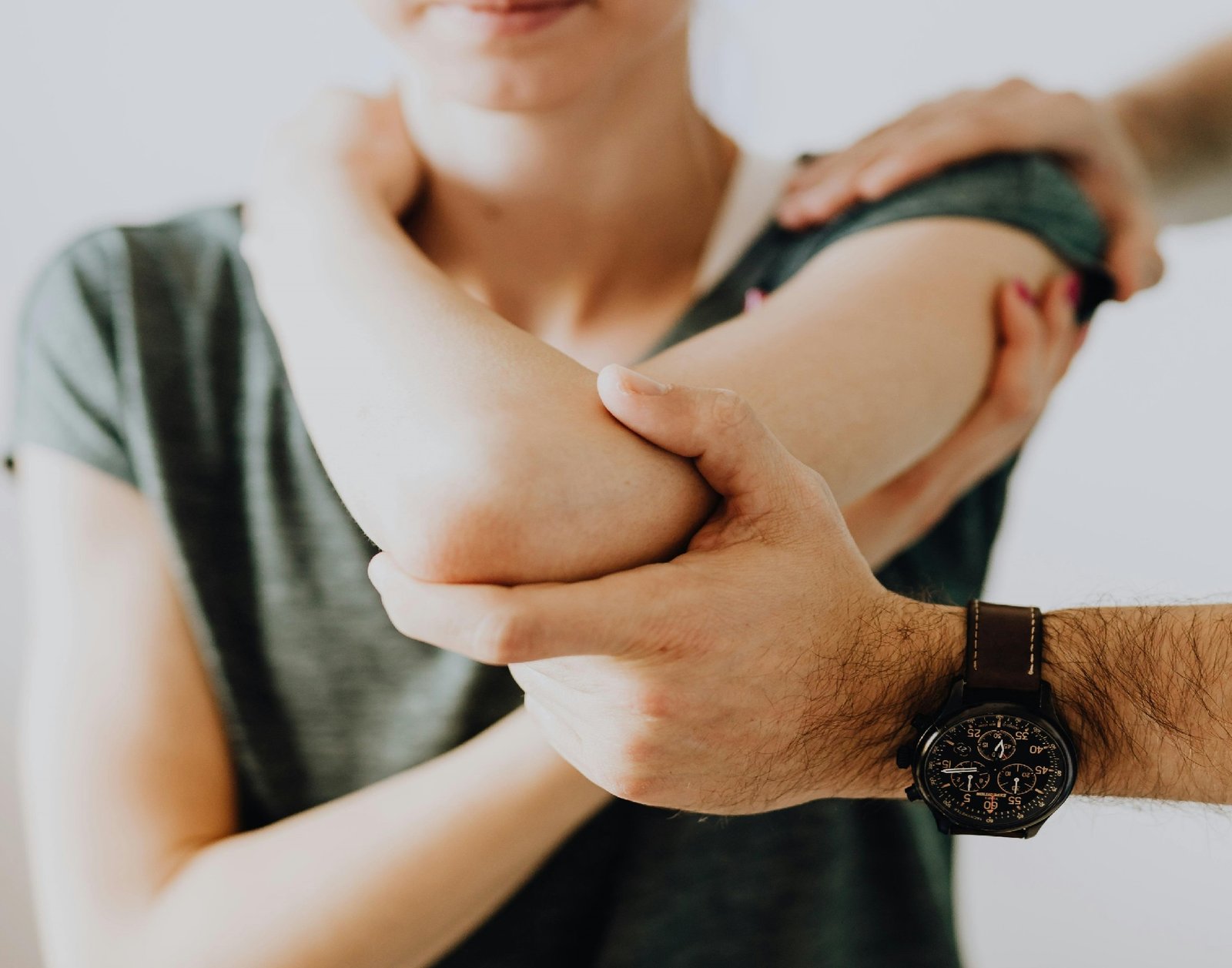
In recent years, technological advancements have revolutionized both the healthcare industry and the transportation sector. Two areas that have seen significant progress are arm prosthetics and vehicle-to-grid (V2G) technology. While these fields may seem unrelated at first glance, they are both crucial components of the future of mobility. Arm prosthetics have come a long way, with innovative designs and functionalities that aim to improve the quality of life for individuals with upper limb loss or limb differences. Advanced prosthetic arms now come equipped with sensors and microprocessors that allow for more natural and intuitive movements. Some prosthetics even offer sensory feedback, enabling users to experience touch and pressure sensations. When it comes to mobility, the integration of arm prosthetics with vehicles can provide unprecedented freedom and independence to individuals with limb differences. Imagine a world where prosthetic arms can seamlessly interact with a car's controls, allowing users to drive with ease and confidence. This integration could open up new possibilities for those with disabilities, empowering them to navigate the world in ways that were previously unimaginable. On the other hand, V2G technology is transforming the way we think about energy management and sustainability in transportation. V2G systems enable electric vehicles (EVs) to not only draw power from the grid but also to feed excess energy back into it. This bidirectional flow of energy has the potential to stabilize the grid, reduce energy costs, and decrease the overall carbon footprint of transportation. The convergence of arm prosthetics and V2G technology presents an exciting vision for the future of mobility. Picture a scenario where a driver with a prosthetic arm seamlessly plugs their EV into a V2G system, not only charging their vehicle but also contributing clean energy back to the grid. This symbiotic relationship between human and machine, enabled by cutting-edge technologies, could pave the way for a more inclusive and sustainable transportation ecosystem. As we look ahead to the future, it is essential to continue supporting research and innovation in both arm prosthetics and V2G technology. By leveraging the synergies between these fields, we can create a more accessible, efficient, and environmentally friendly transportation system for all. The possibilities are endless, and the journey towards a truly interconnected mobility landscape is just beginning. Have a look at the following website to get more information https://www.mimidate.com Explore this subject further for a deeper understanding. https://www.cotidiano.org Explore this subject further for a deeper understanding. https://www.topico.net
Leave a Comment:
SEARCH
Recent News
- Zurich, Switzerland has long been known for its exceptional quality of life, beautiful surroundings, and high standard of healthcare. In contrast, the Russian healthcare system has faced various challenges and struggles over the years. Let's delve into the differences between the healthcare systems in Zurich, Switzerland, and Russia.
- Navigating Medical Device Regulations in Zurich, Switzerland
- In the bustling city of Zurich, Switzerland, finding healthy fast food options can be a challenge. However, with a little exploration and curiosity, you can discover some fantastic spots that offer nutritious and delicious meals on the go.
- YouTube Content Creation: Exploring the Russian Healthcare System
- In today's digital age, YouTube has become a powerful platform for content creators to share their knowledge and expertise with a global audience. One particular niche that has been gaining traction on YouTube is the creation and translation of content related to medical devices regulation.
- Are you looking for tips on creating YouTube content about healthy fast food options and the importance of translation in reaching a wider audience? Let's dive into how you can combine these two aspects to create engaging and informative videos for your channel.
- Exploring the Russian Healthcare System: Insights from a YouTube Channel
- Navigating the Regulatory Landscape for Medical Devices on YouTube
READ MORE
11 months ago Category :

Zurich, Switzerland has long been known for its exceptional quality of life, beautiful surroundings, and high standard of healthcare. In contrast, the Russian healthcare system has faced various challenges and struggles over the years. Let's delve into the differences between the healthcare systems in Zurich, Switzerland, and Russia.
Read More →11 months ago Category :

Navigating Medical Device Regulations in Zurich, Switzerland
Read More →11 months ago Category :

In the bustling city of Zurich, Switzerland, finding healthy fast food options can be a challenge. However, with a little exploration and curiosity, you can discover some fantastic spots that offer nutritious and delicious meals on the go.
Read More →11 months ago Category :
