Debunking Common Myths and Misconceptions About Arm Prosthetics
Category : | Sub Category : Posted on 2024-11-05 22:25:23
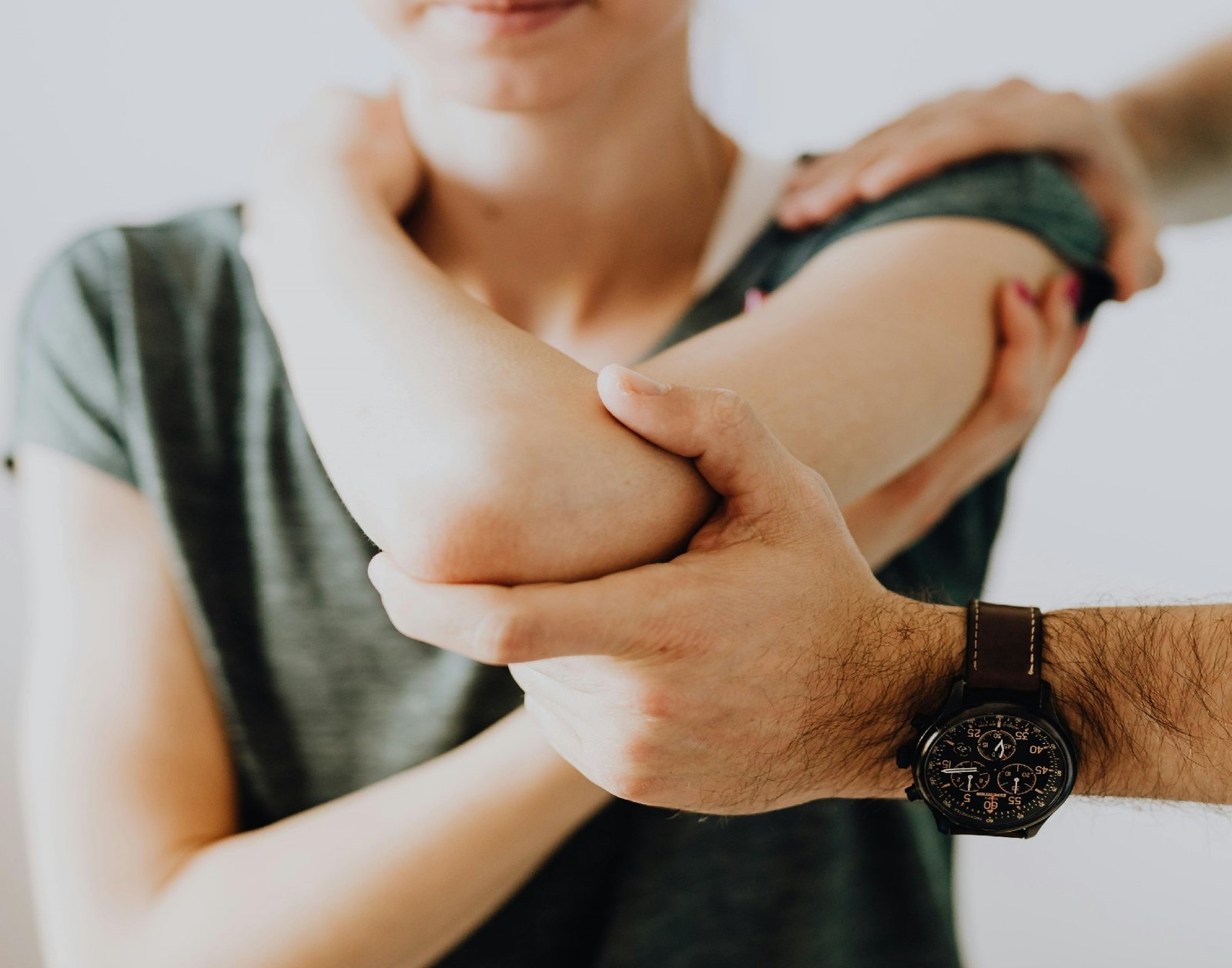
In recent years, advancements in technology have revolutionized the field of prosthetics, offering individuals who have lost limbs the opportunity to regain function and independence. Arm prosthetics, in particular, have come a long way in terms of design, comfort, and functionality. However, despite the many benefits that modern arm prosthetics offer, there are still misconceptions and complaints circulating in the news and online. In this blog post, we aim to address some of the common myths and concerns surrounding arm prosthetics and provide the truth behind these misconceptions. Myth #1: Arm prosthetics are uncomfortable and difficult to wear. Truth: While it is true that some individuals may initially find arm prosthetics uncomfortable, advancements in prosthetic design and materials have significantly improved comfort levels. Prosthetists work closely with patients to create custom-fitted prosthetics that are tailored to their specific needs and preferences. With proper fitting and adjustments, many individuals report that their prosthetic arms are comfortable to wear for extended periods. Myth #2: Arm prosthetics are not functional and have limited capabilities. Truth: Modern arm prosthetics are equipped with advanced technologies that allow users to perform a wide range of tasks and activities. Myoelectric prosthetic arms, for example, use sensors to detect muscle movements in the residual limb, enabling users to control the prosthetic hand with precision and accuracy. Additionally, prosthetic manufacturers continue to innovate and develop new features that enhance functionality, such as grip strength and dexterity. Myth #3: Arm prosthetics are prohibitively expensive and not covered by insurance. Truth: While the cost of arm prosthetics can vary depending on the type of device and customization required, many insurance plans, including Medicare, Medicaid, and private insurance companies, provide coverage for prosthetic devices. Additionally, there are financial assistance programs and grants available to help individuals afford the prosthetic care they need. It is important for individuals to work with their healthcare providers and insurance companies to explore coverage options and ensure access to quality prosthetic care. Myth #4: Arm prosthetics do not look natural or realistic. Truth: Prosthetic manufacturers have made significant strides in creating aesthetically pleasing and lifelike prosthetic arms that closely resemble natural limbs. Customized silicone covers and realistic skin tones help improve the appearance of prosthetic arms, allowing users to feel more confident and comfortable in social settings. While prosthetic devices may not be indistinguishable from biological limbs, the focus is on functionality and improving quality of life for individuals with limb loss. In conclusion, arm prosthetics have evolved greatly in terms of design, comfort, and functionality, offering individuals with limb loss the opportunity to regain independence and improve their quality of life. By debunking common myths and misconceptions about arm prosthetics, we can promote a better understanding of these advanced technologies and the benefits they offer to users. It is important to continue raising awareness and advocating for inclusive prosthetic care that meets the diverse needs of individuals with limb loss.
Leave a Comment:
SEARCH
Recent News
- Zurich, Switzerland has long been known for its exceptional quality of life, beautiful surroundings, and high standard of healthcare. In contrast, the Russian healthcare system has faced various challenges and struggles over the years. Let's delve into the differences between the healthcare systems in Zurich, Switzerland, and Russia.
- Navigating Medical Device Regulations in Zurich, Switzerland
- In the bustling city of Zurich, Switzerland, finding healthy fast food options can be a challenge. However, with a little exploration and curiosity, you can discover some fantastic spots that offer nutritious and delicious meals on the go.
- YouTube Content Creation: Exploring the Russian Healthcare System
- In today's digital age, YouTube has become a powerful platform for content creators to share their knowledge and expertise with a global audience. One particular niche that has been gaining traction on YouTube is the creation and translation of content related to medical devices regulation.
- Are you looking for tips on creating YouTube content about healthy fast food options and the importance of translation in reaching a wider audience? Let's dive into how you can combine these two aspects to create engaging and informative videos for your channel.
- Exploring the Russian Healthcare System: Insights from a YouTube Channel
- Navigating the Regulatory Landscape for Medical Devices on YouTube
READ MORE
5 months ago Category :

Zurich, Switzerland has long been known for its exceptional quality of life, beautiful surroundings, and high standard of healthcare. In contrast, the Russian healthcare system has faced various challenges and struggles over the years. Let's delve into the differences between the healthcare systems in Zurich, Switzerland, and Russia.
Read More →5 months ago Category :

Navigating Medical Device Regulations in Zurich, Switzerland
Read More →5 months ago Category :

In the bustling city of Zurich, Switzerland, finding healthy fast food options can be a challenge. However, with a little exploration and curiosity, you can discover some fantastic spots that offer nutritious and delicious meals on the go.
Read More →5 months ago Category :
